Table of contents
Throughout history, beauty rituals have been shaped by knowledge passed down through generations, blending tradition and innovation. Today’s skincare and self-care trends often draw inspiration from time-honored practices, reimagining them through the lens of modern science and convenience. Explore how old-world wisdom merges with contemporary advancements, revealing the timelessness and adaptability of beauty routines across the ages.
Ancient skincare secrets revealed
Modern skincare trends are experiencing a fascinating revival of ancient skincare wisdom, as traditional beauty rituals gain recognition for their efficacy. Across centuries, civilizations relied on natural ingredients such as rosewater, frankincense, saffron, and honey—each celebrated for unique properties. These botanicals, often prepared according to the principles of phytotherapy, were central to historical routines aimed at maintaining youthful, radiant skin. For example, Egyptian queens favored milk and honey baths, while Chinese dynasties employed green tea and ginseng for their antioxidant effects. Today’s beauty experts are rediscovering these herbal remedies, seeking to blend ancestral knowledge with advanced formulations.
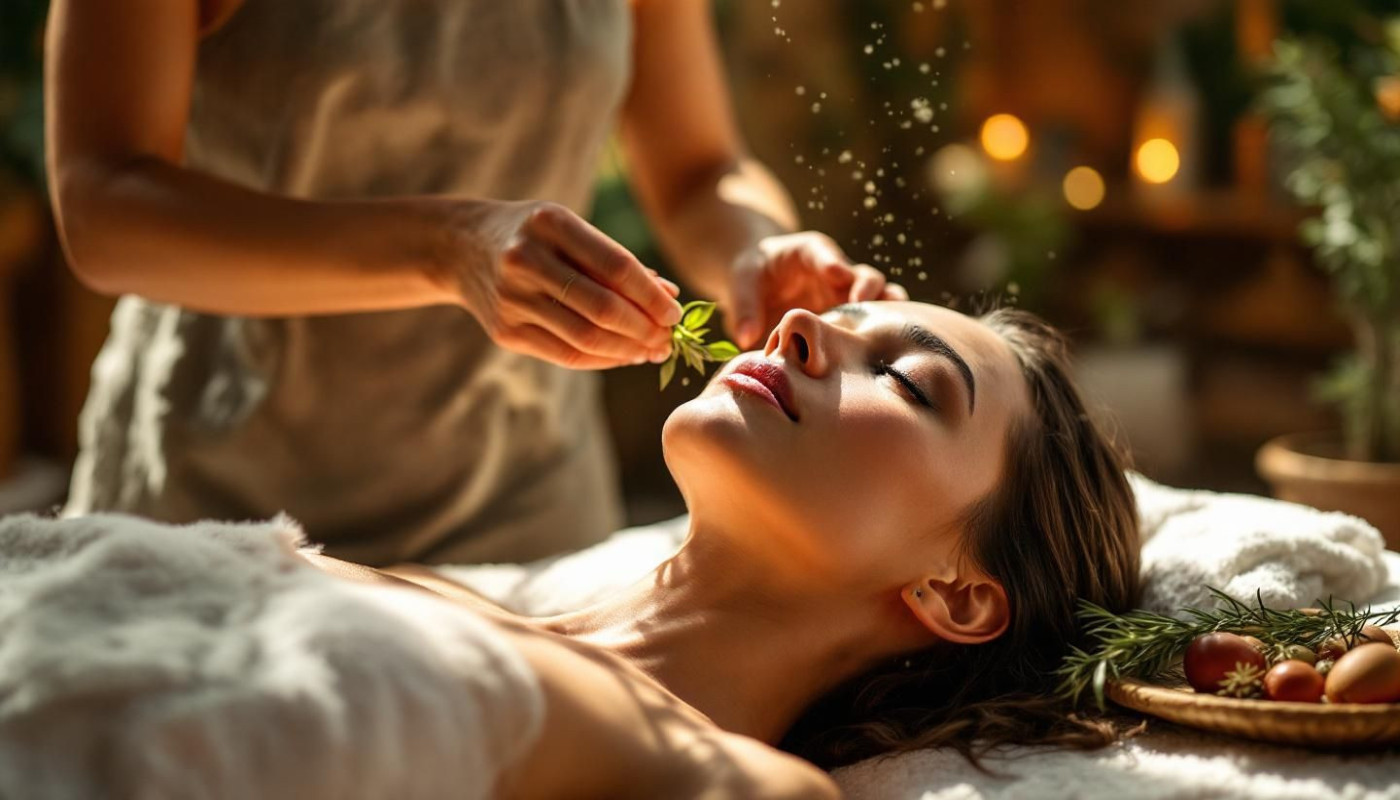
Phytotherapy remains at the heart of this resurgence, emphasizing the holistic beauty philosophy that the skin's health reflects overall well-being. Brands now incorporate ancient skincare practices by infusing serums and creams with botanicals like turmeric, chamomile, and aloe vera—each chosen for specific, scientifically validated benefits. Traditional beauty methods such as facial massage or herbal steam baths are also finding their place in modern routines, bridging the gap between time-tested healing and cutting-edge science. This seamless integration of heritage and innovation demonstrates the lasting relevance of ancient skincare, encouraging a deeper connection between nature and self-care.
Timeless hair care practices
Traditional hair care is deeply rooted in ancient hair rituals that have shaped modern hair care routines. Practices such as regular oiling with botanical oils—like coconut, argan, and jojoba—were once passed down through generations as trusted methods to maintain scalp health and hair strength. These natural hair oils are renowned for their role in sebaceous regulation, ensuring the scalp produces balanced amounts of sebum for optimal moisture and protection. Scalp massage, another practice inherited from the past, stimulates microcirculation, aids nutrient delivery, and supports hair follicle health, all of which are now scientifically acknowledged by trichologists worldwide.
Herbal hair treatments, commonly based on ingredients such as amla, fenugreek, and neem, remain popular in modern hair care due to their proven benefits, including enhanced shine, improved texture, and reduced scalp irritation. The influence of these ancient methods is evident in the formulation of shampoos and conditioners enriched with plant-derived actives, as well as in the growing popularity of pre-wash hair oils and herbal rinses. By integrating these time-honored approaches with contemporary scientific advances, the hair care industry offers products that honor tradition while meeting the high standards of today’s beauty enthusiasts.
Traditional tools in modern routines
The growing popularity of traditional beauty tools has sparked renewed interest in ancient beauty rituals, with facial rollers, gua sha stones, and combs seamlessly blending into modern skincare routines. These traditional beauty tools, once reserved for royal courts or cultural ceremonies, originate from centuries-old practices across regions like East Asia and India. Facial rollers, typically crafted from jade or rose quartz, were believed in imperial China to stimulate skin vitality and promote harmony. Gua sha tools, flat stones used to massage the face and body, trace their roots to Traditional Chinese Medicine, where they were applied to enhance circulation and relieve tension. Ornate combs, found in both Asian and European traditions, were cherished for their ability to distribute natural scalp oils and stimulate hair growth.
Today, beauty enthusiasts integrate these tools as modern skincare tools, not only for their tactile appeal but also for their technical benefits. Facial rollers and gua sha are celebrated for their role in lymphatic drainage—a process that helps reduce facial puffiness and supports toxin removal by guiding lymph fluids through key channels beneath the skin. The gentle, upward strokes recommended in these beauty rituals are designed to relax facial muscles and boost microcirculation, resulting in a refreshed complexion. This interaction between historical knowledge and current skincare science highlights the enduring value of traditional beauty tools, confirming that their cultural significance and physical benefits continue to resonate in contemporary beauty practices.
Mind-body connection in beauty
Ancient beauty rituals have long placed value on the powerful link between emotional well-being and physical appearance, a concept now deeply embedded in modern wellness trends. Today, the focus on mind-body beauty extends beyond topical products, integrating holistic wellness strategies that harmonize inner balance and outer radiance. Breathing techniques, as promoted by leading holistic wellness experts, are often incorporated into beauty meditation sessions, helping to reduce stress levels that may otherwise impact skin health. The emerging field of psychodermatology explores these connections, examining how psychological factors can affect the skin and how mindful practices can lead to healthier, more vibrant complexions.
Many of these philosophies are being revived and adapted by contemporary beauty professionals, demonstrating that practices like meditation and controlled breathing are not only relevant but also transformative in the pursuit of beauty. By embracing ancient wisdom, individuals are discovering that inner calm and emotional clarity foster a natural glow, supporting both mental equilibrium and aesthetic goals. Such holistic approaches directly address the triggers of premature aging and skin concerns, emphasizing that beauty meditation is as influential as any topical treatment.
Global destinations are witnessing a surge in demand for mind-body beauty treatments, with facial massages in Bangkok blending traditional Eastern techniques with modern innovations to deliver both relaxation and visible skincare improvements. This fusion of ancient methods and current knowledge highlights a universal recognition: nurturing the mind is inseparable from caring for the body, and together they create a foundation for lasting beauty in the age of holistic wellness.
Modern science validates ancient wisdom
Recent advancements in scientific beauty research have illuminated the enduring value of ancient beauty wisdom, highlighting how evidence-based practice connects traditions with present-day innovation. Across the globe, traditional skincare science relied on botanical extracts such as turmeric, aloe vera, and green tea, revered for their soothing and rejuvenating properties. Today, modern validation arrives through rigorous clinical studies confirming the efficacy of these natural ingredients. For example, peer-reviewed research demonstrates turmeric’s anti-inflammatory and antioxidant effects on the skin, supporting its historical use in beauty rituals. Modern cosmetic scientists utilize state-of-the-art analytical techniques to isolate active compounds in herbs and oils, quantifying their effects on cellular repair, hydration, and elasticity.
Proven beauty rituals, such as facial oil massages and herbal infusions, now find support in dermatological studies. A 2021 clinical trial published in a leading dermatology journal examined the impact of cold-pressed plant oils, confirming their role in enhancing skin barrier function and reducing irritation, echoing ancient massage therapies. Advanced spectrometry and genomics tools further reveal how traditional ingredients interact with skin microbiota, supporting holistic approaches to beauty long practiced in Ayurveda and Traditional Chinese Medicine. These intersections between past wisdom and present knowledge empower consumers to make informed choices based on scientific beauty research.
With modern validation of ancient beauty rituals, cosmetic chemists increasingly integrate time-tested ingredients into new formulations while adhering to evidence-based practice. Scientific studies on fermented rice water, for instance, have shown its ability to improve skin texture and brightness, mirroring its historical use in East Asia. By bridging ancient beauty wisdom with rigorous laboratory methods, the cosmetics industry fosters innovation that honors tradition while ensuring safety and efficacy. This blend of traditional skincare science and modern research allows a broader audience to appreciate the timeless, universal quest for beauty supported by both ancestral knowledge and cutting-edge technology.
Similar

Exploring The Effectiveness Of EMDR In Treating Various Psychological Disorders

Exploring the potency of turmeric and black pepper synergy for inflammation reduction

Exploring The Effectiveness Of Intuitive Practices In Modern Healthcare

The Hidden Benefits Of Oxygen Facials For Skin Health

How To Choose The Right CBD Oil For Your Wellness Needs

Guide On Natural Immune Support Through Functional Medicine Techniques

Understanding The Effectiveness Of Medical Intuitive Sessions
